Develop Expertise in
Personalized Nutrition
Become a Certified
BioIndividual Nutrition Practitioner
✔ One-of-a-kind specialized program and community
✔ Self-paced online certification
✔ Trusted by professionals around the world!
✔ Add-on specialized niche in autism and pediatrics

Personalized Nutrition
is Changing What’s Possible
Demand for practitioners trained in this approach has never been greater

Evidence-based Nutrition Science
Published Research
Proprietary Methodology
Professional Community
The BioIndividual Nutrition Training Program prepares healthcare practitioners to apply personalized nutrition through a structured, evidence-informed methodology shaped by decades of clinical experience, published scientific research, and real-world application.
Rather than relying on generalized nutrition advice, you’ll learn how to recognize meaningful biochemical differences, personalize nutritional strategies, and support children more precisely, efficiently, and confidently.
If you’re ready to help redefine what’s possible for the children and families you serve, or would like to develop this niche expertise and needed practice, this program was created for you.
As a practitioner, you need to be two steps ahead. The BioIndividual Nutrition methodology gives you the knowledge to anticipate obstacles, personalize nutrition with greater precision, and reduce unnecessary struggle for the clients you serve.
Kathleen DiChiara, FDN-P INHC
Personalized Nutrition is The Future
Healthcare is moving beyond generalized recommendations toward increasingly personalized approaches to care. As our understanding of genetics, metabolism, the microbiome, immune function, and environmental influences has expanded, it has become clear that individuals often respond very differently to the same foods, nutrients, and therapeutic diets.
Personalized nutrition holds tremendous potential to improve human health.
Despite the evidence that it is core to addressing complex chronic disease…. personalized nutrition is largely absent from our healthcare culture and system
The clinical efficacy of personalized nutrition requires that practitioners
are adequately trained to apply this knowledge in practice.
The American Nutrition Association
For practitioners, the challenge is no longer deciding whether nutrition matters, it’s understanding how to personalize nutrition for the unique biochemistry, physiology, and circumstances of each individual.
That is precisely why BioIndividual Nutrition was created.
What is BioIndividual Nutrition?
BioIndividual Nutrition is a systematic methodology for personalizing diet and nutrition strategies for each individual’s unique biology, physiology, genetics, and health needs.
Rather than asking, “What is the best diet?”
BioIndividual Nutrition asks, “What is the best food & nutrition approach for this individual?”
 Because every person processes foods differently, variations in digestion, detoxification, the microbiome, nutrient metabolism, and immune function influence how specific foods and compounds affect the body—beneficial for some, problematic for others.
The BioIndividual Nutrition methodology identifies these biochemical patterns and aligns them with targeted therapeutic diets and nutritional interventions. By understanding how food influences physiology—and how physiology shapes an individual’s response to food—practitioners can personalize nutrition with greater precision and confidence.
Grounded in nutrition science, nutrigenomics, functional medicine, and Julie Matthews’ published scientific research, BioIndividual Nutrition provides a comprehensive framework for individualized nutrition care.
This framework is organized into the Six Pillars of BioIndividual Nutrition, which guide practitioners in translating the science of individuality into practical clinical application.
Because every person processes foods differently, variations in digestion, detoxification, the microbiome, nutrient metabolism, and immune function influence how specific foods and compounds affect the body—beneficial for some, problematic for others.
The BioIndividual Nutrition methodology identifies these biochemical patterns and aligns them with targeted therapeutic diets and nutritional interventions. By understanding how food influences physiology—and how physiology shapes an individual’s response to food—practitioners can personalize nutrition with greater precision and confidence.
Grounded in nutrition science, nutrigenomics, functional medicine, and Julie Matthews’ published scientific research, BioIndividual Nutrition provides a comprehensive framework for individualized nutrition care.
This framework is organized into the Six Pillars of BioIndividual Nutrition, which guide practitioners in translating the science of individuality into practical clinical application.
Applicable Across Clinical Practice
Applied across pediatric and adult practice, BioIndividual Nutrition helps practitioners support a wide range of chronic and complex health conditions, including:
Neurodevelopmental & neurological
Gastrointestinal & digestive
Hormonal & endocrine
Mental health & behavior
Immune & autoimmune
Metabolic & mitochondrial
Food sensitivities & deficiencies
Chronic inflammatory
Neurodevelopmental & neurological
Gastrointestinal & digestive
Hormonal & endocrine
Mental health & behavior
Immune & autoimmune
Metabolic & mitochondrial
Food sensitivities & deficiencies
Chronic inflammatory
Stop the Guesswork &
Leap years ahead in knowledge & skill
→ Learn the science and practice of personalized nutrition
→ Master therapeutic diets for your client’s unique needs
♥ Get breakthrough results even with complex cases
And no longer guess about…
→ Which diet to start with.
→ When to combine diets.
→ Which foods cause hidden reactions.
…and much more!
Join the
Nutrition Science Has Evolved
Your Approach — and Your Credentials — Must Evolve Too
Nutrition science has advanced dramatically over the past two decades. Today’s practitioners must understand how genetics, metabolism, the microbiome, immune function, and food compounds interact to influence individual responses to diet.
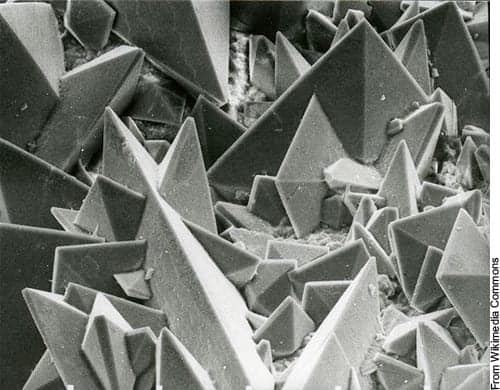
Oxalates
Found in spinach, almonds, etc. Can cause joint pain, oxidative stress, etc.

Salicylates
Present in berries and herbs. Can cause hyperactivity, rashes, etc
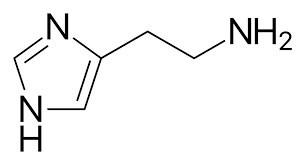
Histamine
From fermented foods; linked to migraines, anxiety, and digestive symptoms.

Glutamate
Present in soy sauce and broths. May worsen anxiety or sleep issues.
Despite these scientific advances, few health professionals receive formal training in recognizing food compound sensitivities, interpreting symptom patterns, or how to personalize therapeutic diets
Recommending a whole-food, gluten-free, Paleo, or elimination diet is often only the beginning. The real clinical challenge is determining which dietary strategy—or combination of strategies—is appropriate for each individual.
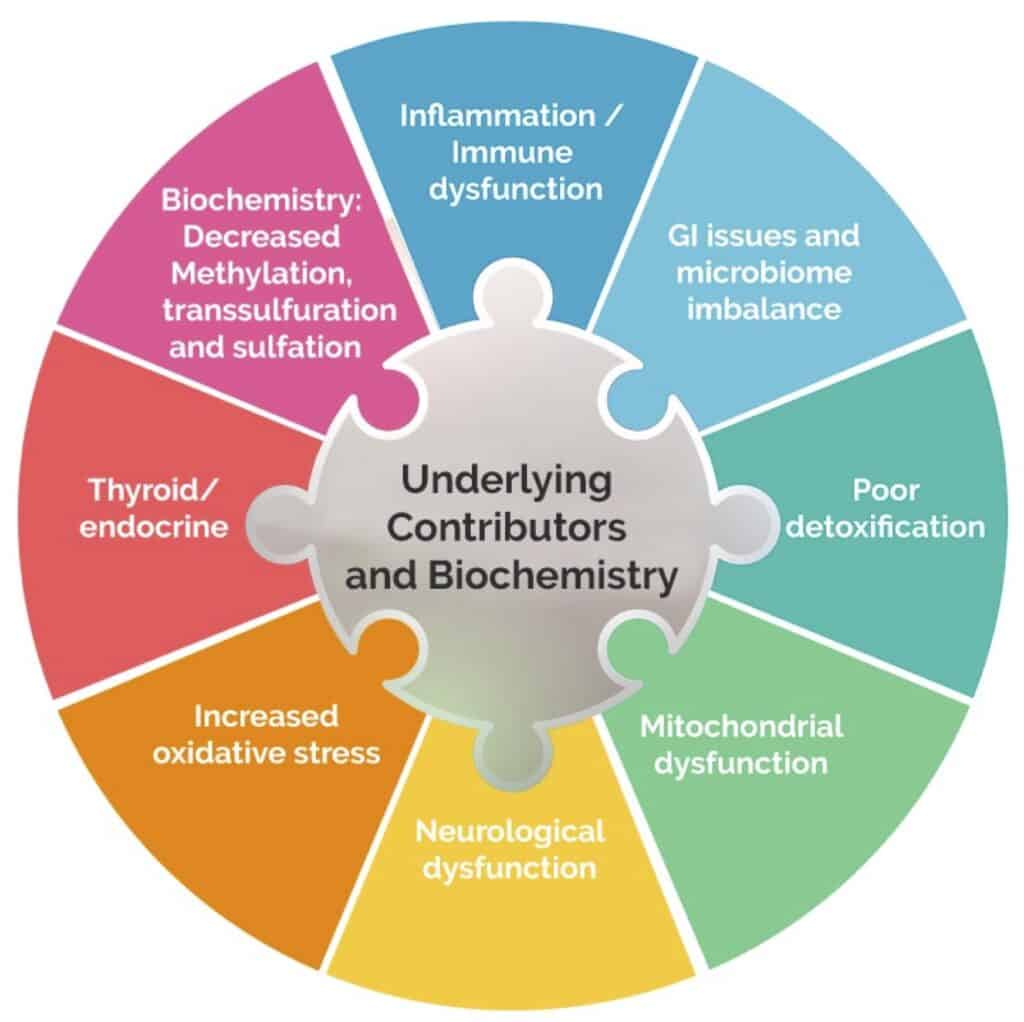
BioIndividual Nutrition provides the systematic framework for making those decisions with greater precision and confidence
Learning to recognize these underlying biochemical patterns—and applying personalized therapeutic diets with confidence—is one of the defining skills you’ll develop throughout this program.
This specialized way of thinking enables you to recognize what others miss, and confidently personalize nutrition to each person’s needs.
Avoid These 5 Clinical Nutrition Pitfalls
That Undermine Results and Limit Client Success
Even experienced practitioners can unknowingly fall into patterns that hinder client outcomes. The healthcare climate is changing rapidly—and today’s nutrition professionals must go beyond symptom-based recommendations, food lists, or single-diet templates.
The BioIndividual Nutrition® methodology, created by award-winning nutritionist and published researcher Julie Matthews, arose from her 20+ years of clinical practice and research with complex conditions like autism, ADHD, autoimmune issues, and chronic digestive disorders. Through this lens, she identified recurring patterns where conventional approaches had failed her clients before they came to her—enabling her to build a science-based methodology that effectively addresses those gaps
Do You Recognize Any of These Pitfalls?
1) Recommending the Wrong Diet
Many programs teach a diet—but not when, how, or for whom it works. Clients often follow dietary advice that is ineffective or counterproductive for their individual biochemistry.
2) Focusing on Food Before Biochemistry
Nutrition isn’t just about food choices—it’s about how the body processes those foods. Without understanding a client’s underlying pathways, reactions, or enzyme function, even “healthy” foods can cause problems.
3) Not Addressing Underlying Biological Conditions
Chronic inflammation, mitochondrial dysfunction, oxalate overload, and detox impairments are rarely visible on the surface—but they drive symptoms and derail progress when ignored.
4) Overlooking Diet’s Role in Mood, Behavior, and Cognition
Food dramatically influences neurotransmitters and brain chemistry. When practitioners only target gut or metabolic symptoms, they miss powerful opportunities to support mood, focus, and executive function.
5) Lacking a System to Personalize Diets
Guesswork slows down client results. This training gives you a repeatable system to assess symptoms, analyze diet compatibility, and personalize a plan with confidence
You will Learn How To:
⇒ Assess client symptoms and match them to underlying biochemical imbalances
⇒ Use advanced tools and frameworks to personalize diets—without overwhelm
⇒ Apply 12+ therapeutic diets and dietary strategies with precision
⇒ Help clients with complex conditions see real, lasting improvements
⇒ Differentiate your practice with a credible, science-backed methodology
Watch Julie explain why
BioIndividual Nutrition is different
Meet Your Instructor
Julie Matthews, MS is a globally respected nutrition expert, award-winning author, and published researcher that holds a Masters degree in Medical Nutrition. Her guidance is backed by twenty five years of clinical experience and published scientific research with complex neurological and physiological needs; particularly autism and related disorders.
Meet Your Instuctor
Julie Matthews, MS is a globally respected nutrition expert, award-winning author, and published researcher that holds a Masters degree in Medical Nutrition. Her guidance is backed by twenty five years of clinical experience and published scientific research with complex neurological and physiological needs; particularly autism and related disorders.
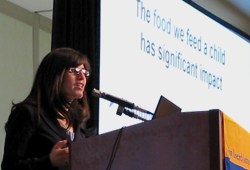 Julie has educated healthcare practitioners throughout North America, Europe, and Australia, speaking at leading conferences and professional trainings including Integrative Medicine for Mental Health (IMMH), the Autism Research Institute (DAN!), the Medical Academy of Pediatric Special Needs (MAPS), and the MINDD International Forum.
Her work has been featured across television, radio, podcasts, and print media, and recognized by organizations including Price-Pottenger and the National Association of Nutrition Professionals. Julie continues to maintain an active clinical practice while serving on scientific advisory boards and advancing the field through education and research.
 While studying nutrition in 2001, Julie discovered compelling evidence that food and nutrition could profoundly influence the severity of autism symptoms. Determined to understand why, she dedicated herself to investigating the underlying biology and translating that science into practical guidance that parents and clinicians could use to help children.
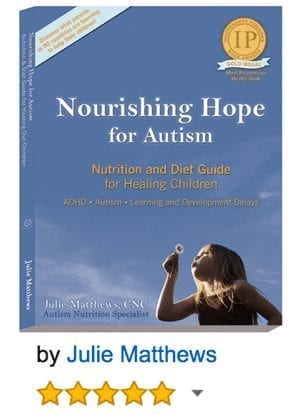
Her original research paper at Bauman College became her award-winning book, Nourishing Hope for Autism, which explains both why nutrition influences the biochemical pathways involved in autism and how to apply personalized nutrition to support better outcomes.
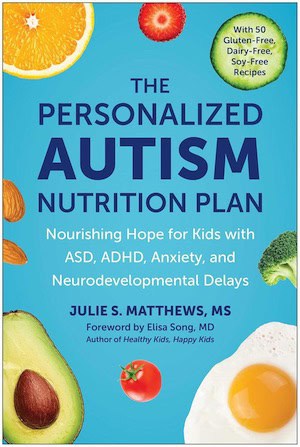 After years in clinical practice, Julie recognized that the personalized nutrition strategies producing the greatest improvements for children with autism were equally valuable in many other chronic conditions. Because autism involves some of the body’s most complex interactions—including immune, digestive, neurological, metabolic, and biochemical dysfunction—it became the lens through which she refined a systematic approach to personalized nutrition.
Today, she teaches practitioners how to recognize these underlying patterns, connect symptoms to physiology, and confidently develop personalized nutrition strategies for children and adults with a wide range of complex health conditions.
Julie founded Nourishing Hope to advance the understanding and application of personalized nutrition for autism, and later established the BioIndividual Nutrition Institute to teach practitioners the methodology she developed through decades of clinical experience, research, and practice.
Featured in…











The 6 Pillars of BioIndividual Nutrition
The clinical framework for consistently personalized nutrition
Learn to think through complex nutritional cases
—not memorize protocols
Learn to think through complex nutritional cases —not memorize protocols
Each pillar builds on the previous one, giving you a complete framework for evaluating, understanding, and personalizing nutrition for complex cases.

UNDERSTANDING
CHRONIC DISEASE
As you learn our unified perspective for chronic disease, you’ll understand your client’s disease on a deeper level, so you be effective at applying special diets for the needs of clients with a wide range of chronic diseases.
You’ll master:
- IBS & Digestive disorders
- Autoimmune disorders
- Anxiety & Depression
- Autism & ADHD
- Mitochondrial dysfunction
- Methylation disorders
- Neurological conditions
- Hypothyroid & Hashimoto’s
- Eczema and skin conditions
- Asthma & Allergies
- Obesity & Diabetes

DETERMINING
BIOINDIVIDUALITY
By learning to identify specific underlying factors like health history, environmental triggers, chronic conditions and symptoms, food reactions, and biochemistry, you gain a system that will enable you to get to the root of your client’s problem.
You’ll master:
- Inflammation
- Poor methylation
- Poor sulfation
- Poor digestion
- Microbiome imbalance
- Mitochondrial dysfunction
- Poor detoxification
- Genetics/Epigenetics/SNPs

DISCOVERING FOOD’S AFFECT ON BIOCHEMISTRY
As you learn how little-known food compounds affect the body’s biochemistry and systems they may affect, you will be able to detect and address “mysterious” symptoms other practitioners don’t understand.
You’ll master:
- Salicylates & Phenols
- Histamines & Amines
- Glutamate
- Oxalates & FODMAPS
- Food allergens/ Sensitivities
- Di- and Polysaccharides
- Yeast containing foods
- Nightshades
- Sulfur/thiol foods
- Purines, Lectins, Phytates

MASTERING
THERAPEUTIC DIETS
When you understand the intricacies of each therapeutic diet, how to use them, and practical implementation tips, you will feel confident helping your client implement any diet with the best tools and resources available.
You’ll master:
- Gluten/Casein/Soy-Free
- SCD & GAPS Diet
- Paleo Diet
- Autoimmune Paleo
- Feingold Diet
- Failsafe Diet
- Low oxalate Diet
- Body Ecology Diet
- Low FODMAPs Diet
- Ketogenic Diets
- Rotation Diets
- Elimination Diets
- more!

CUSTOMIZING BIOINDIVIDUAL NUTRITION
By learning to create BioIndividual Nutrition Strategy plans incorporating our unique seven point method of determining diet direction, you will gain an effective methodology and clinical tools that make it quicker and easier to create effective plans for your clients.
You’ll master:
- Food cravings
- Diet record, food frequency
- Reactions to foods
- Common Symptoms
- Laboratory testing
- Genetics
- Client considerations

EVOLVING
the DIET
When you improve tolerance, reassess dietary needs, and expand the diet, you help your client improve their dietary variety and nutrition to help them maintain the results they have gained and continue to improve and heal.
You’ll master:
- Depleting factors & deficiencies
- Underlying factors & biochemistry
- Supplementation support
- Lifestyle
- Toxin avoidance
- Dietary trial
- Provocation food testing
The goal was never to teach another diet. It was to develop practitioners who know which dietary strategy fits which client, and why.
Julie Matthews, MS
Program Director
I am able to make specific recommendations for families that bring about noticeable results.
In some cases, the “mystery” surrounding certain symptoms is eliminated because of the connections I learned through the program.
Susan Levin, CNC – UnlockYourChild.com
Recognized by Leaders in
Integrative Medicine
Julie Matthews knowledge of various diets and the unique healing quality of food ranks her as one of the top nutritional scientists in the field today.
Kurt Woeller, DO
Medical Director Integrative Medicine Academy
Learning to design a diet and nutrition plan for each person’s exclusions is brilliant! This program gives tangible and constructive material as a practical guide. It is brilliant, clear, and time-saving.
Frank Golik, MD
The BioIndividual Nutrition Program has helped me and my health coaches understand how to approach very challenging patient cases and has given us tools and resources to get faster and more effective results with our clients.
Dr. David Jockers DNM, DC, MS

Dr. Jocker’s Nutrition Team
Experience and Results

25 Years Advancing
Personalized Nutrition
Clinical Experience • Scientific Research • BioIndividual Nutrition
Why Autism Research Matters
Autism often involves interconnected immune, digestive, neurological, and metabolic dysfunction—the same interconnected systems that underlie many chronic health conditions. Understanding how these systems interact provides a powerful lens for recognizing biochemical patterns and personalizing nutrition across clinical practice.
Autism: A Lens for Understanding Chronic Disease
The complexity of autism reveals biochemical relationships that help practitioners personalize nutrition across chronic disease.
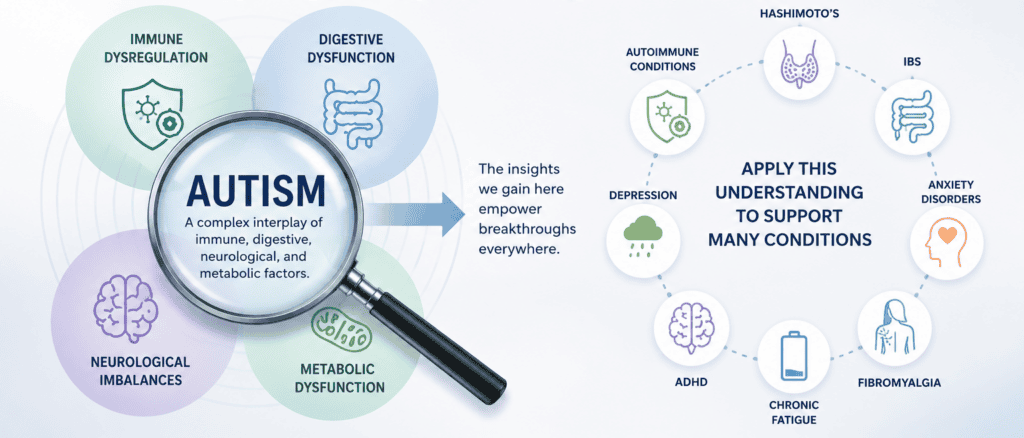
Through decades of clinical practice, Julie discovered that autism provides a uniquely powerful model for understanding chronic disease. The BioIndividual Nutrition methodology grew from learning to recognize hidden connections between symptoms, physiology, and therapeutic nutrition—connections that apply far beyond autism to digestive disorders, autoimmune disease, ADHD, anxiety, food sensitivities, metabolic dysfunction, and many other chronic conditions
Julie has co-authored two peer-reviewed studies demonstrating that:
- Comprehensive nutrition intervention improves symptoms, cognition, language, and behavior in autism.
- Personalized therapeutic diets consistently outperform medication for symptom improvement according to practitioner and parent outcomes.
- Comprehensive nutrition intervention improves symptoms, cognition, language, and behavior in autism.
- Personalized therapeutic diets consistently outperform medication for symptom improvement according to practitioner and parent outcomes.
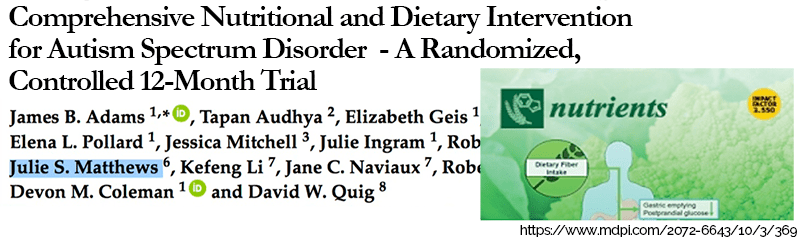
Published in Nutrients
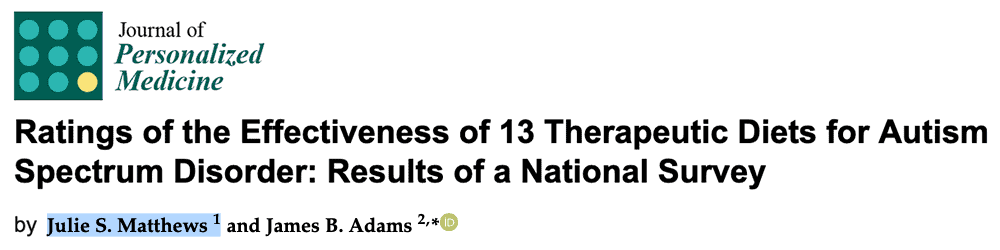
Published in the Journal of Personalized Medicine
Published in Nutrients
Published in the Journal of Personalized Medicine
Earn Certification as a
BioIndividual Nutrition Practitioner
Certification as a BioIndividual Nutrition Practitioner recognizes advanced competency in applying and supporting personalized nutrition for a range of chronic conditions. Through a structured methodology, clinical tools, mentorship, and a collaborative professional community, you’ll develop the knowledge, clinical reasoning, and confidence to personalize therapeutic nutrition with greater precision—and build a respected area of specialization within your practice.
Six Paths of Professional Development
Professional Capability
Learn how to personalize therapeutic diet and nutrition strategies based on unique symptoms, biochemistry, food reactions, and health history.
Clinical Confidence
Move beyond trial-and-error nutrition recommendations and gain a structured framework for evaluating complex cases.
Specialization
Develop expertise in an area of growing demand that extends and complements your existing professional credentials.
Recognition
Earn certification as a BioIndividual Nutrition Practitioner and become part of a network of professionals committed to personalized nutrition.
Community
Receive ongoing support, mentorship, and collaboration from fellow practitioners and experienced clinicians.
Opportunity
Differentiate your practice, attract families seeking this expertise, and create new opportunities for professional growth.
How Practitioners Benefit
Graduates consistently describe the same transformation: greater confidence, clearer clinical thinking, and better outcomes for their clients.
I am a GAPS practitioner and I really needed the tools and resources your program teaches. I now feel confident that I will be able to make a bigger impact on my community.
Holly Morello, NTP, CGP
Julie walks you through case studies and you gain an understanding of the thought process to identify symptoms and suitable dietary interventions. This was the missing link for me.
Paula Bordenet, NTP
Although my NTP training was excellent, not all clients respond to the standard healing diet and supplement protocols. This course took my training to a higher level, I can now help a wider range of clients. My confidence as a practitioner has grown immensely.
Cate Pellicer, NTP
The program is elevating my effectiveness in the clinical setting.
Big wins for everyone!
Brandin Roa, FNLP, NCP, CPCC, CPE, BCom
Julie Matthews is a pioneer in the field of functional nutrition. I’m forever grateful for the additional knowledge that we have due to her dedicated work in bioindividual nutrition.
Andrea Nakayama, Functional Nutritionist,
Replenish PDX
Certification That Demonstrates
Advanced Clinical Expertise
Complements your existing professional qualifications.
What it means for your practice
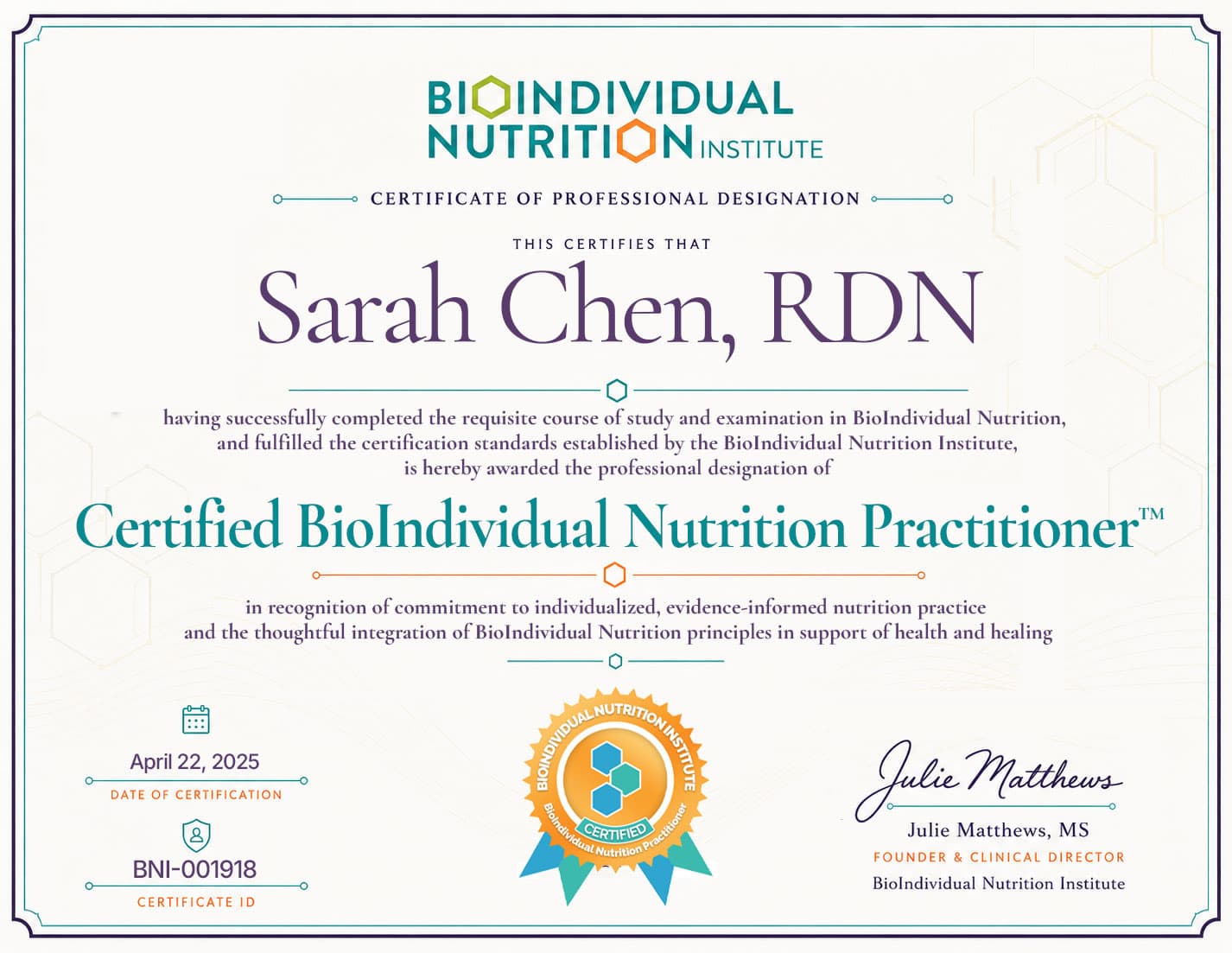
Certification as a BioIndividual Nutrition Practitioner reflects advanced training in applying personalized nutrition to complex and varied chronic disorders. It signifies proficiency in recognizing biochemical patterns, personalizing therapeutic diets, and using a structured clinical framework to support adults and chidren.
What it communicates to clients
Clients and referring professionals often cannot evaluate clinical methodology—but they recognize meaningful credentials. This certification signals that you have pursued specialized education beyond foundational nutrition training and are prepared to provide individualized, evidence-informed nutrition guidance for varied health needs.
What it empowers you to do
Rather than relying on generalized dietary recommendations, you’ll be equipped to recognize patterns others may overlook, personalize therapeutic nutrition strategies with greater confidence, and guide clients through complex cases with greater precision, consistency, and clarity. The result is less trial-and-error, more efficient clinical decision-making, and more meaningful outcomes for the families you serve.
Complements your existing credentials
This certification is designed to build upon your existing professional qualifications—not replace them. It represents an advanced specialization that strengthens your clinical expertise while distinguishing your practice as a provider of personalized, evidence-informed nutrition.
Join our Global Practitioner Network
Become a trusted resource
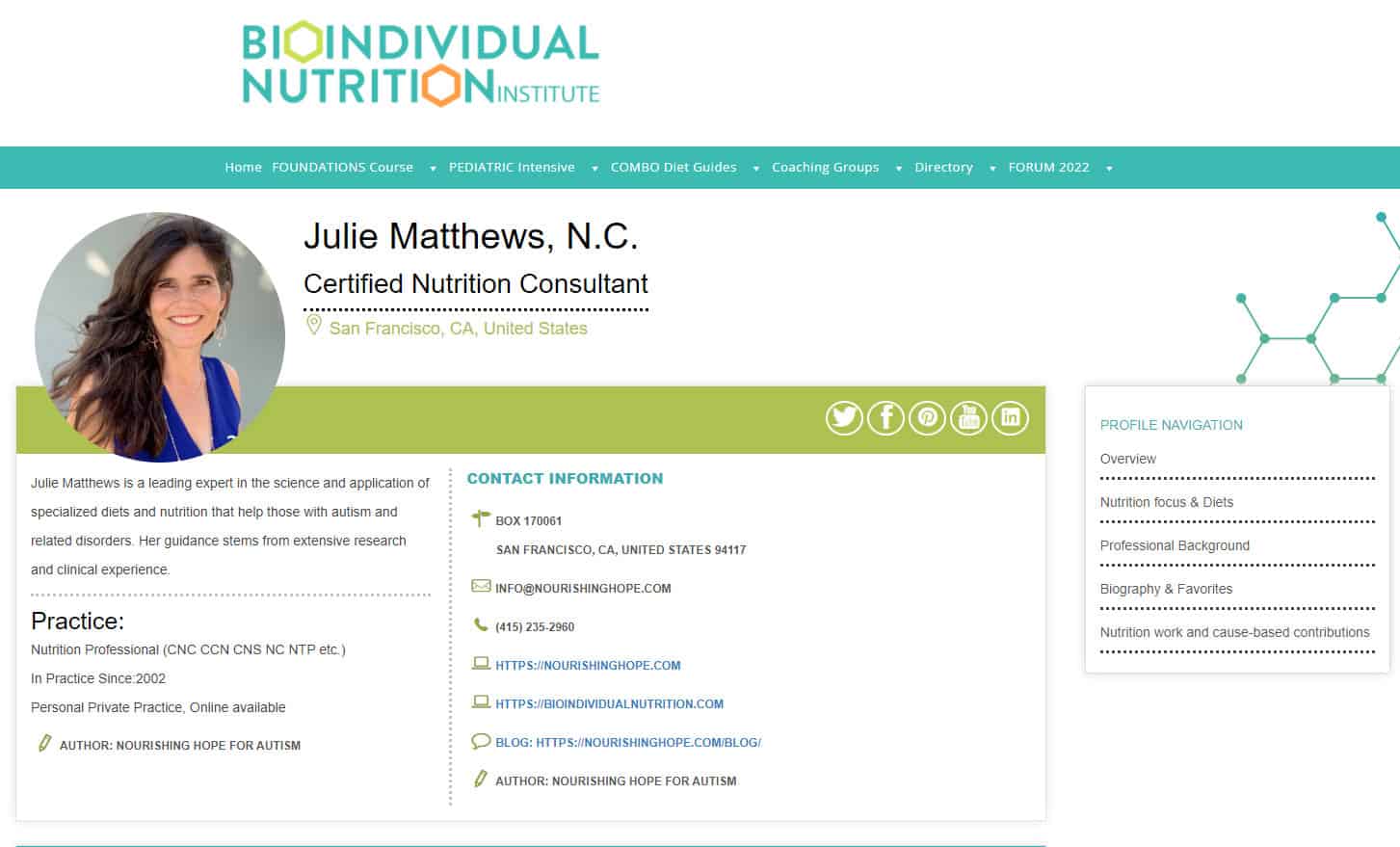
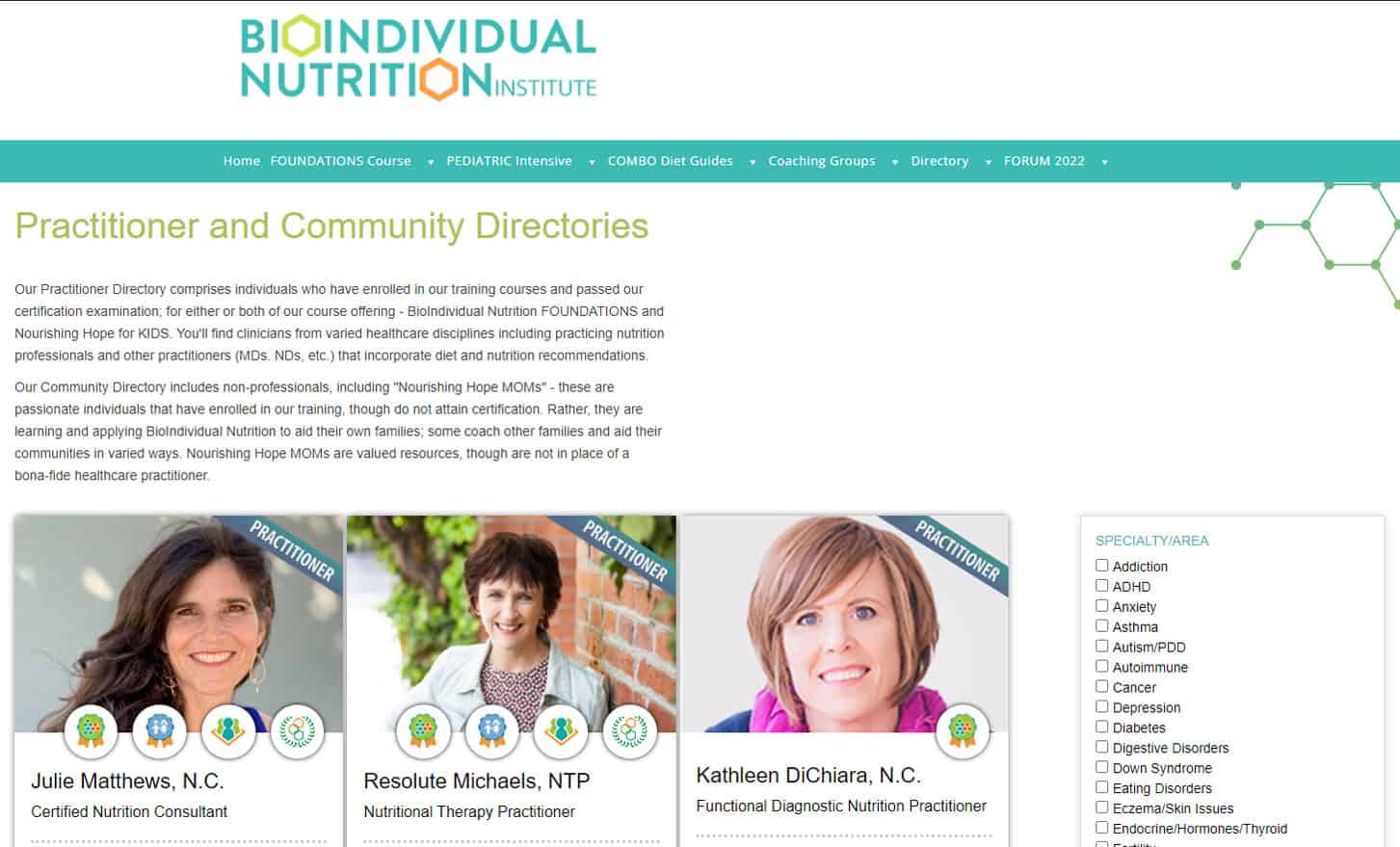
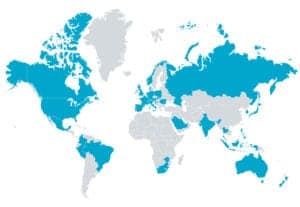 When you become a Certified BioIndividual Nutrition Practitioner you can become listed in our Global Online Directory. Certified Nutritionists, Dietitians, Integrative/Functional Medicine practitioners, RDs, and Health Coaches from 49 nations earn this designation. This signifies an unparalleled level of expertise so clients have confidence in your capability to provide effective guidance. Each course concludes with a comprehensive examination that earns directory listing.
When you become a Certified BioIndividual Nutrition Practitioner you can become listed in our Global Online Directory. Certified Nutritionists, Dietitians, Integrative/Functional Medicine practitioners, RDs, and Health Coaches from 49 nations earn this designation. This signifies an unparalleled level of expertise so clients have confidence in your capability to provide effective guidance. Each course concludes with a comprehensive examination that earns directory listing.
Member Profile
Search Results
Join a Professional Community
When you become a Certified BioIndividual Nutrition Practitioner, you become part of a professional community of practice dedicated to advancing the science and application of personalized nutrition in healthcare.
Continuing Education
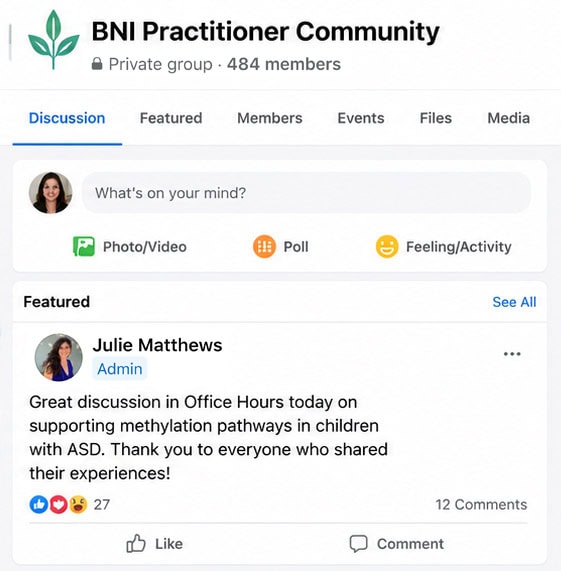
Continue expanding your knowledge through monthly Office Hours, new research, guest presentations, and updated educational resources.
Clinical Collaboration
Discuss challenging cases, implementation strategies, and practical questions with experienced practitioners who understand this methodology.
Professional Network
Connect with practitioners around the world who share your commitment to BioIndividual Nutrition and personalized care.
Continuous Growth
As the science evolves, so do the resources, discussions, and collective experience available through the Institute.
Continuing Professional Development
Our community provides a supportive environment where knowledge is shared, challenges are solved, and innovation is inspired. Together we have a positive impact for the individuals we serve.
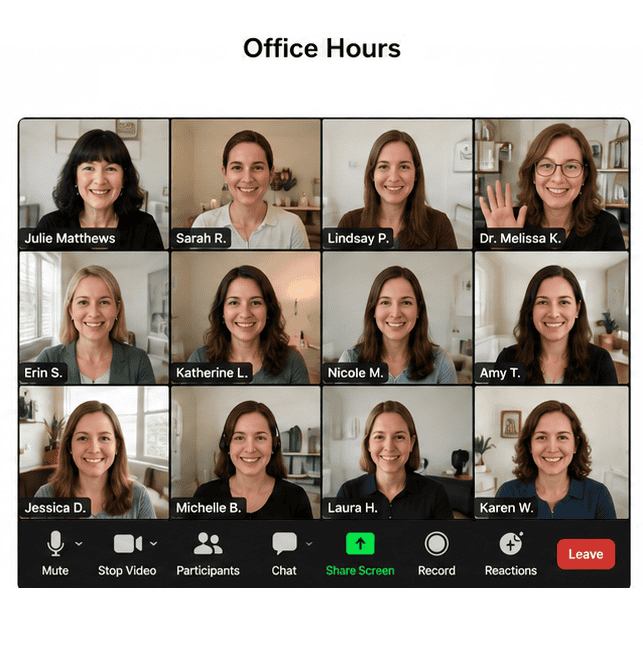
Certification marks the beginning of your continued professional development—not the end of your learning.
Build the Specialized Practice
That Clients Seek
Developing advanced expertise in BioIndividual Nutrition can help differentiate your practice, attract clients seeking this level of care, strengthen professional referrals, and create a practice that is professionally fulfilling and increasingly sought after.
There is tremendous need for qualified health professionals that can work with varied dietary programs specific to certain health conditions. Julie’s course gives you the knowledge to establish a specialized practice that families actively seek.
Dr. Kurt Woeller
Accelerate Years of Learning
Julie has spent decades studying nutrition science, developing clinical tools, refining therapeutic strategies, and creating practical resources for real-world practice.
Rather than spending years assembling knowledge from books, conferences, research papers, and clinical experience, you’ll learn a complete framework designed for immediate application.
Ready for Clinical Practice
Everything you need to build your practice rapidly:
- Comprehensive nutrition science and clinical instruction.
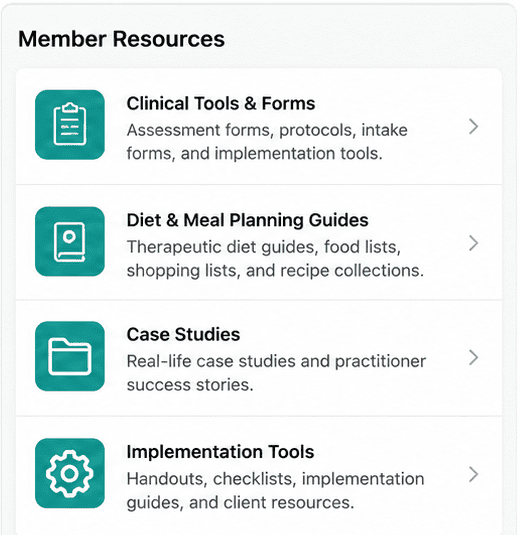
- Ready-to-use clinical handouts, intake forms, diet guides, meal plans, and implementation tools.
- Practical training through case exercises, client action plans, coaching calls, and mentorship.
- Professional recognition through certification and our global practitioner directory.
Is This Opportunity Right for You?

You want to specialize rather than generalize.
You want to understand why varied therapeutic diets work.
You want greater confidence with complex cases.
You want practical implementation—not just theory.
You want to become recognized for advanced clinical expertise.
You want to become the practitioner families remember and recommend.
Overview & Curriculum
📘 Master the BioIndividual Nutrition Methodology
BioIndividual Nutrition Training
Develop a comprehensive framework for understanding biochemical individuality, therapeutic diets, food compounds, nutritional physiology, and the systematic personalization of nutrition strategies for chronic health conditions.
✓ 12 Modules – 28 hours of course content
✓ Audio/Video presentations (PPT & Mp3)
✓ PDF downloads of slides and transcripts
✓ Done-for-you client-ready clinical handouts
✓ Comprehensive Study Guide (w/quizzes & and cases)
✓ Certification final examination & Directory Listing
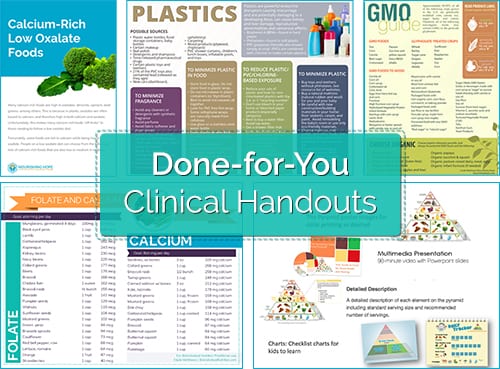
Done-for-You Clinical Handouts
- Ready to use handouts: GMO Guide,
- Toxin Guide, Food pyramid, and many more
- Personally-branded nutrition intake forms
- Easy to Use Clinical Charts
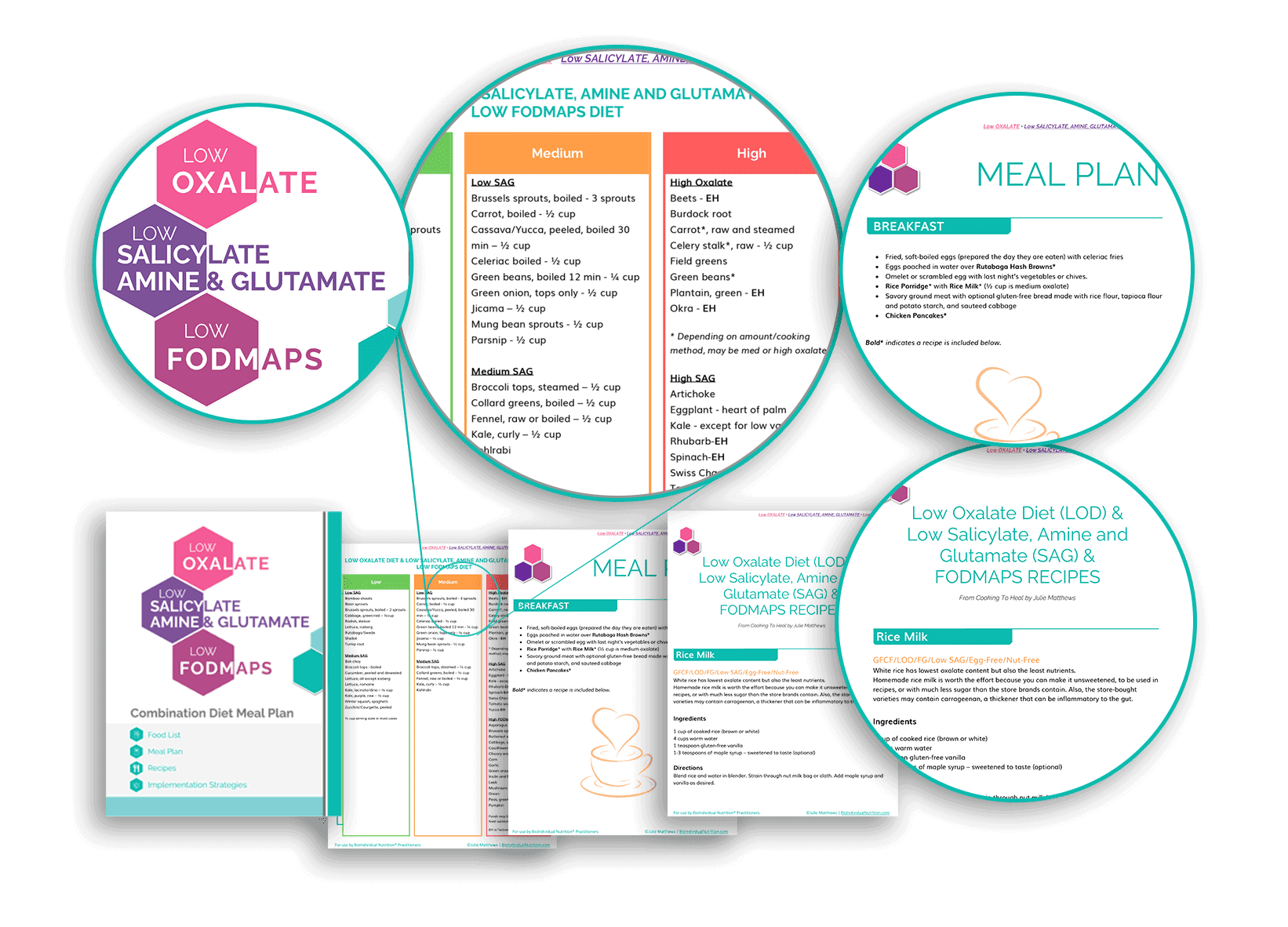
- Comprehensive Diet Guides
Comprehensive Diet Guides
For all of the following diets:
- GFCFSF
- SCD/GAPS
- Paleo
- Ketogenic
- Body Ecology Diet
- Low Oxalate
- Low FODMAPS
- Low Salicylate
- Low Salicylate, Amine and Glutamate
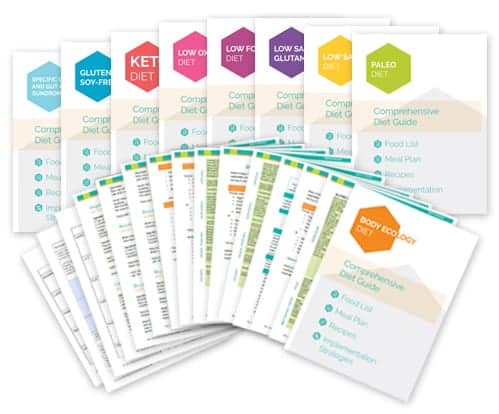
Each Diet Guide contains:
- Food lists: Comprehensive food choices.
- Meal plans: Including breakfast, lunch, dinner, snacks/sweets, and beverages.
- Recipes: Easy to-do recipes to get your clients started.
- Implementation strategies: Overview with diet details and implementation direction, inc. worksheets to use with clients to plan their personal strategy.
Practice Tools and Resources
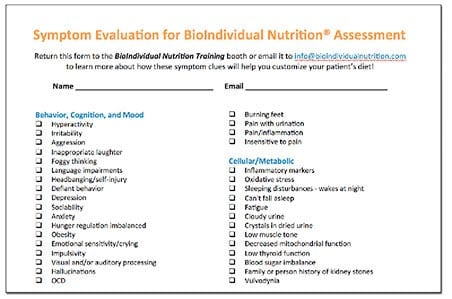
- Clinical Diet Assessment Questionnaire
- Symptom/Diet Chart
- Decision-making flowchart
- Clinical Practicum guide
- Client tools plus Nourishing Hope for Autism (book) and Cooking to Heal (cookbook and videos)
Curriculum Details
MODULE 1: BioIndividual Nutrition Foundations
The program opens with an investigation of chronic disease today and routinely observed underlying metabolic conditions, and I present my work with autism as a model for understanding and supporting all chronic disease. We discuss the need and factors for bioindividuality, and explore the practice of BioIndividual Nutrition.
MODULE 2: Special Diets for BioIndividual Nutrition
Next we get a firm understanding of the most common and effective “special” healing diets that every nutrition practicing professional should master. How they work, harmful assumptions about them to NOT make, tweaking the diets and addressing supplementation, and knowing when (or not) to use a special diet. Focus is on optimizing therapeutic effectiveness of your diet and nutrition strategy for each individual in your practice.
MODULE 3: Nutrition Best Practices – NEW Food Pyramid
MODULE 4: Allergen-free Diets, Gluten-free Casein-free
MODULE 5: The Specific Carbohydrate Diet (SCD) vs. GAPS
MODULE 6: Addressing Dysbiosis & Optimizing GI Support
MODULE 7: Low Phenol and Amine Diets
MODULE 8: Oxalates and The Low Oxalate Diet
MODULE 9: Paleo, Low Carb, and Ketogenic Diets
MODULE 10: Methylation and Mitochondria
MODULE 11: Laboratory Testing & Supplementation
MODULE 12: Practicing BioIndividual Nutrition
Julie’s expertise in therapeutic special diets is cutting-edge and relevant for the anxious women I support. Julie shares new research and information that’s helped me personally, as I’ve have been able to solve my terrible foot pain caused by oxalates! I highly recommend the BioIndividual Nutrition training!
Trudy Scott, CN
Author: The AntiAnxiety Food Solution
Upon completion, you’ll be able to
✓ Personalize nutrition with greater precision and confidence.
✓ Apply therapeutic diets to complex cases.
✓ Earn certification as a BioIndividual Nutrition Practitioner.
✓ Join an international community of specialized practitioners.
✓ Differentiate your practice through recognized advanced training.
The BioIndividual Nutrition training has been one of the best investments for my career as a nutritionist. The course has been invaluable.
Francesca Orlando-Baldwin, NTP, CGP
Board Certified in Holistic Nutrition
Support Beyond the Curriculum

Study Guides
Comprehensive study guides reinforce each lesson through guided note-taking, case studies, and quizzes—helping you master the material, prepare for certification, and build lasting clinical confidence.
• Fill-in-the-blank guides
• Quizzes and case studies

Practice Toolkit
Practical tools help you apply BioIndividual Nutrition in real clinical practice, making it easier to evaluate clients, implement recommendations, and develop confidence with complex cases.
• Clinical practicum exercises
• Client action checklists

Coaching
Stay on track with structured coaching, accountability, and guidance as you progress through the program at your own pace.
• Live coaching calls
• Progress reminders
• Online progress tracker

Masterclasses
Exclusive webinars featuring guest experts, scientific advisors, and experienced practitioners provide ongoing education and deeper exploration of emerging research and clinical application.

Continuing Education
Continue learning through member-exclusive articles, research updates, clinical insights, case studies, educational resources, and contributions from the BioIndividual Nutrition community.

Practitioner Community
Connect with an international community of BioIndividual Nutrition Practitioners to discuss cases, share clinical insights, ask questions, and learn from one another’s experience.
The dietary nuances that Julie lectured on, helped ‘fill in the gaps’ of my previous trainings. It has allowed me to look at my clients through a more narrow lens and to hone in on exactly what might be triggering them, nutritionally. I highly recommend the program!
Danielle Dellaquila, MS, CN
The
Foundational Certification
Certified BioIndividual Nutrition Practitioner
✓ BioIndividual Nutrition Training
BioIndividual Nutrition methodology
Therapeutic diets for chronic conditions
Adults & children
Everything Included in Your Enrollment
✓ Certification Program
✓ Practitioner Directory Listing
✓ Clinical Handouts, Assessment Forms & Client Resources
✓ Therapeutic Diet Guides & Meal Plans
✓ Monthly Coaching Calls & Practitioner Community
✓ Study Guides, Case Studies & Implementation Toolkit
✓ Lifetime Curriculum Updates
Choose the Enrollment Option That Works Best For You
Pay in full or spread tuition over 12 monthly payments.
One Payment
(one time)12 Payments
(per month)18 Payments
(with $997 now)Begin today with immediate access to the complete program, clinical resources,
and practitioner community. Study at your own pace.
Questions before enrolling?
☎️ Speak with a program advisor.
We’re happy to discuss whether the program is a good fit for your goals.

Guarantee – Julie stands behind her program.
We intend that you to be satisfied with your enrollment. You have 30 days to review the program materials, participate in live sessions, and connect with fellow practitioners to ensure the program is right for you.
Additional Clinical Resources Included
Combination Diet Planning Library
with Guides and Meal Plans ($1897 value)
- Low Oxalate Diet (LOD) & Low Salicylate, Amine, & Glutamate (SAG)
- Low Oxalate Diet (LOD) & SCD/GAPS/Paleo
- Low Salicylate, Amine, and Glutamate (SAG) & SCD/GAPS/Paleo
- Low Oxalate Diet (LOD) & Low Salicylate, Amine, and Glutamate (SAG) & SCD/GAPS/Paleo
- Low Oxalate Diet (LOD) & Low Salicylate, Amine, and Glutamate (SAG) & FODMAPS
- Low Oxalate Diet (LOD) & Low FODMAPS
- GFCFSF/Low Sal/Egg-free
- AutoImmune Paleo (AIP) Diet
- Elimination Diet
- Rotation Diet
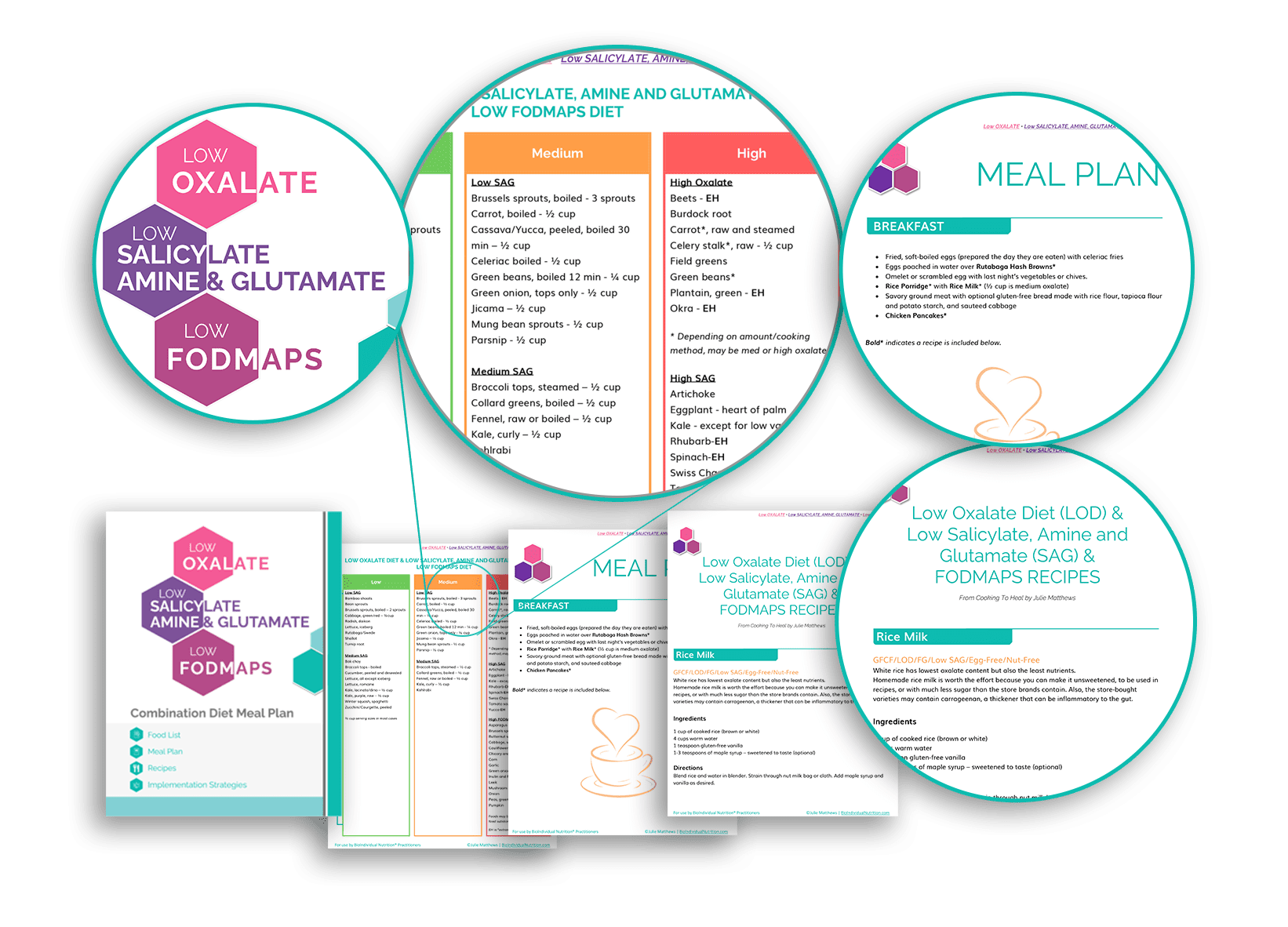
Each diet guide includes:
- Extensive food lists
- Comprehensive meal plans
- Delicious and simple recipes
- Easy to use implementation strategies
PLUS instructional videos for…
- Using the guides effectively
- Combining diets strategy plan
- Common pitfalls to complex diets
- Meal planning for personalized diets
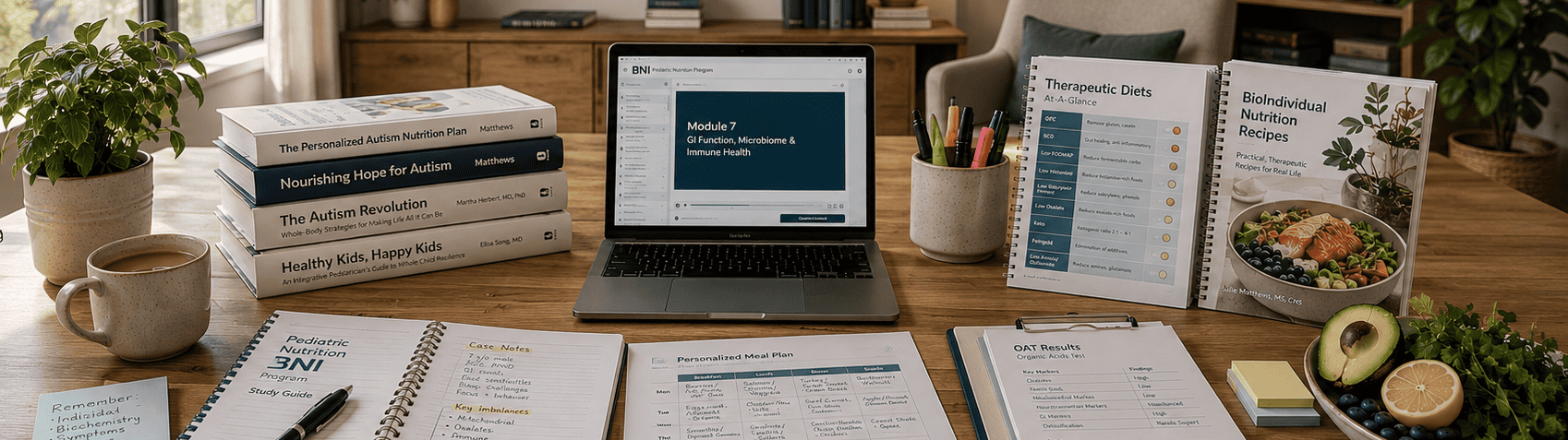
Still Deciding?
There are several paths you can take.
You can continue building your knowledge through books, conferences, research papers, and clinical experience—gradually assembling your own approach over many years.
Or you can learn a methodology that has already been refined through decades of clinical practice, scientific research, and real-world application.
The BioIndividual Nutrition Institute was created to shorten that learning curve—providing not only the science, but also the clinical framework, implementation tools, mentorship, and professional community that help practitioners apply personalized nutrition with greater confidence.
If becoming recognized for advanced clinical expertise is one of your professional goals, we’d be honored to welcome you into our community
How Most Practitioners Work Through the Program
Approach it like a graduate-level university course.
Most practitioners choose a consistent time each week to work through the curriculum—whether that’s Friday mornings, Saturday afternoons, or an evening after clinic.
Each module is intentionally designed as a complete learning experience. You’ll begin by reviewing the learning objectives, then watch the lesson, work through the accompanying study guide, complete case studies and clinical exercises, and begin applying what you’ve learned with your clients before moving on to the next module.
The goal isn’t simply to finish the program.
It’s to build lasting clinical confidence through a structured educational process that helps you retain, integrate, and immediately apply what you’ve learned.
Frequently Asked Questions
“My interest is Autoimmune,
will this program help me?”
“I work with kids,
which program is for me?”
“How does this course differ?
Why did you create it?”
What's the time commitment for this course?
One of the benefits of the program is that it’s completely self-paced. Once you enroll, you have immediate access to all of the training and can move through it at whatever pace works for your schedule. Some practitioners study a few hours each week, while others complete a module every month or two. There are no deadlines, and you’ll always have access to the curriculum, recordings, future updates, and member resources.
As a general guide, each of the 12 Foundations modules includes approximately 2½ hours of video instruction, along with a study guide, clinical exercises, case studies, and practical implementation resources. Some practitioners complete the certification in about three months, while others take a year or more. Both approaches are perfectly fine.
Many practitioners find it helpful to approach the program the same way they would a graduate-level university course. They schedule regular study time, complete one module at a time, work through the accompanying study guide and clinical exercises, and then begin applying what they’ve learned with their clients before moving on. The curriculum was intentionally designed to build knowledge, confidence, and practical clinical skill—not simply to help you finish a course.
Many graduates tell me they continue returning to the program for years as a clinical reference whenever new conditions, therapeutic diets, or complex cases arise. The goal isn’t to finish quickly—it’s to become the practitioner you set out to be.
I've already completed nutrition certifications and use therapeutic diets. Do I still need this program?
Probably more than anyone else.
Most of our graduates already hold professional credentials and have completed nutrition, functional medicine, or other postgraduate training. Yet they consistently tell us this program changed how they think about therapeutic nutrition.
Rather than teaching another diet, you’ll learn a systematic clinical framework for determining which diet is appropriate for which client—and why. You’ll develop the ability to recognize underlying biochemical patterns, confidently implement therapeutic diets, troubleshoot challenges, combine multiple dietary approaches when appropriate, and personalize recommendations based on each client’s unique presentation.
Just as importantly, you’ll gain practical implementation tools developed through Julie’s 25 years of clinical experience—resources that simply aren’t available in textbooks or internet research.
Most nutrition education teaches what to recommend.
BioIndividual Nutrition teaches you how to think.
I don’t want to run lab tests. How much of this course focuses on that?
Laboratory testing is one of seven clinical evaluation tools taught in the BioIndividual Nutrition methodology. Many practitioners in the program never order laboratory tests and still achieve excellent outcomes.
You’ll learn how to evaluate clients using food reactions, symptoms, dietary history, clinical patterns, genetics, lifestyle factors, and laboratory testing—using whichever tools are appropriate for your credentials, scope of practice, and individual clients.
The goal isn’t to depend on laboratory testing. It’s to become a more effective clinical thinker.
Will this program qualify me to practice nutrition or provide new credentials?
Your legal scope of practice is determined by your existing professional credentials and the regulations in your state or country (i.e. being a Health Coach, Dietitian, Nutritionist, Integrative Practitioner, etc.).
BioIndividual Nutrition is an advanced postgraduate educational program that builds upon your current qualifications. It provides specialized knowledge, clinical frameworks, therapeutic diet implementation strategies, and practical tools that enhance the care you already provide within your professional scope of practice.
Practitioners who successfully complete the certification requirements earn the designation Certified BioIndividual Nutrition Practitioner. Pediatric Program graduates earn an additional Certified Pediatric BioIndividual Nutrition Practitioner designation and may become listed in our Practitioner Directory.
I don’t do Facebook. How important is that?
Not at all.
The complete curriculum, study guides, resources, videos, and certification materials are delivered through our private member portal—not Facebook.
Our private practitioner community is simply an additional place to ask questions, discuss cases, and connect with fellow members. Many practitioners participate regularly, while others rarely use it.
You’ll receive the complete educational experience either way.
How is this program different from other nutrition education?
Most nutrition education teaches nutrients, supplements, or individual therapeutic diets.
BioIndividual Nutrition teaches a clinical decision-making framework.
You’ll learn how to evaluate the unique biochemical patterns behind each client’s symptoms, determine which therapeutic diet—or combination of therapeutic diets—is appropriate, confidently implement those recommendations, and adapt them as the client’s physiology changes.
The emphasis isn’t on memorizing protocols.
It’s on developing the clinical reasoning skills that allow you to personalize nutrition with confidence, even in complex cases.
That’s why graduates consistently tell us the program changed not only what they recommend—but how they think.
FAQ About Eligibility
Do I need to be a nutritionist?
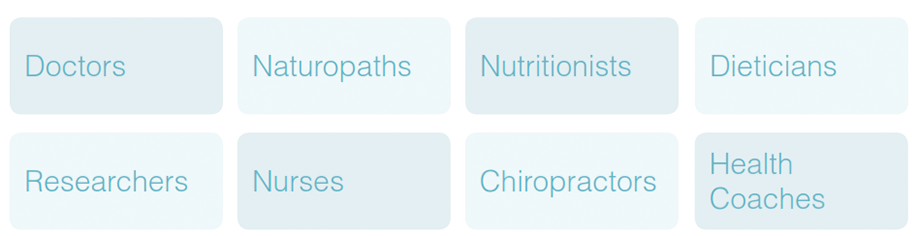
The program is designed for healthcare professionals who already can provide diet and nutrition guidance within their scope of practice. Our members include nutritionists, dietitians, physicians, naturopathic doctors, nurses, health coaches, chiropractors, and other licensed or qualified healthcare practitioners.
You bring your existing credentials. BioIndividual Nutrition builds upon them with advanced clinical training, specialized knowledge, and practical implementation tools.
Does this course certify me to practice nutrition in my state?
No. This training does not provide certification to legally practice nutrition. To practice nutrition, individuals must have a primary nutrition certification and must follow the laws in their state and country. SEE PREVIOUS QUESTION
Can people outside the United States participate in this course?
The entire program is delivered online, allowing practitioners from anywhere in the world to participate. Our community includes members from nearly 50 countries representing a wide range of healthcare professions.
As always, practitioners should follow the laws and scope-of-practice regulations within their own country or region.
Who is listed in the Practitioner Directory?
Practitioners who successfully complete the certification requirements and pass the comprehensive examination may apply to be listed in the BioIndividual Nutrition Institute Practitioner Directory.
Directory listing demonstrates completion of advanced BioIndividual Nutrition training and helps families and referring professionals locate practitioners with specialized expertise in personalized therapeutic nutrition.
Increase Clinical Success & Revenue

Save Time. Improve Patient Compliance & Satisfaction
Gain Confidence in Your Diet & Nutrition Support
Request a Tour of the Program
© 2021– BioIndividual Nutrition, LLC – All Rights Reserved